
Sam Altman’s idea of AI-powered immortality sounds like something straight out of a sci-fi movie, but now people are seriously talking about it. Over the last few years, artificial intelligence has grown faster than almost anyone expected. AI can already create images, write code, generate videos, and even talk like humans. But now the conversation is moving toward something much bigger and honestly a little scary too. What if AI could somehow preserve the human mind forever?
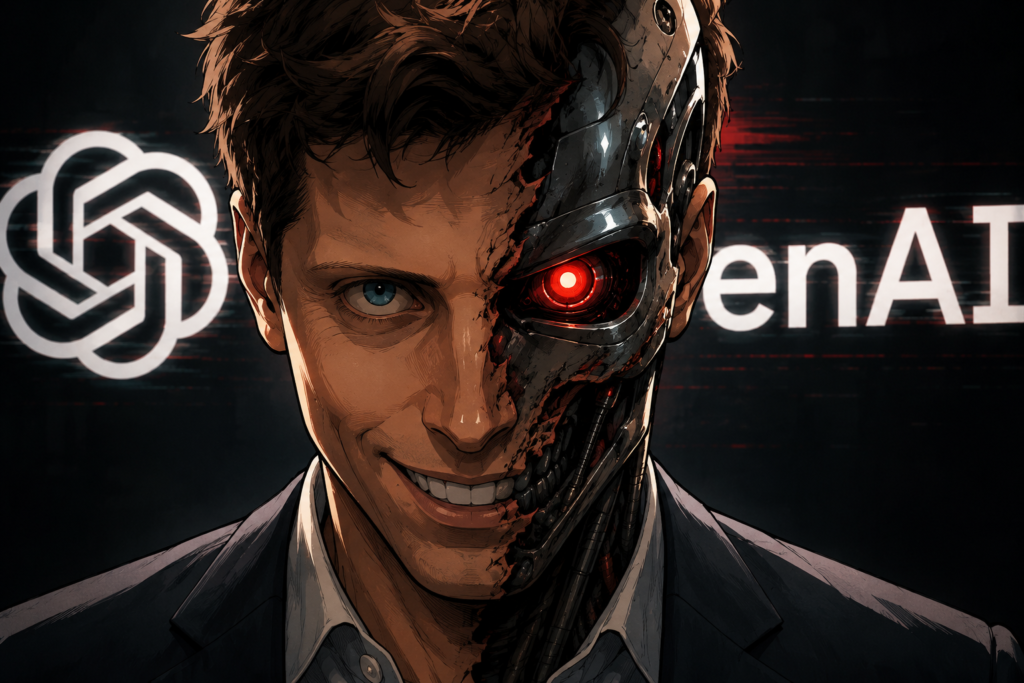
Recently, reports and online discussions started spreading about Sam Altman and other tech leaders becoming interested in digital immortality. The idea is simple to understand but massive in scale. Instead of the human mind disappearing after death, future technology could theoretically copy memories, personality, emotions, and thoughts into a digital system. In simple words, your brain could continue existing inside a machine.
For many people, this sounds impossible. But for others in Silicon Valley, this is becoming a serious long-term goal. Companies working on advanced AI believe human consciousness may one day be mapped digitally. Some researchers think the brain is basically a super complex biological computer. If that system can be fully understood, maybe it can eventually be recreated artificially.
Sam Altman has not publicly said that he has uploaded his brain or anything dramatic like that, but discussions around AI immortality exploded because many people believe OpenAI and similar companies are building technology powerful enough to eventually move in that direction. Even if it sounds crazy today, a lot of modern technology once sounded impossible too. Smartphones, AI chatbots, self-driving cars, and realistic AI videos all seemed futuristic not very long ago.
One reason this topic became huge online is because people are both fascinated and terrified by it. Imagine talking to a digital version of someone who passed away years ago. Imagine an AI model trained on someone’s memories, voice, personality, and behavior patterns so accurately that it feels almost real. Some startups are already experimenting with early versions of this idea by creating AI chatbots based on real people.
This raises a lot of emotional and ethical questions. Would a digital copy actually be “you,” or just an imitation? Can consciousness really be transferred into a computer, or would it only copy your behavior patterns? Nobody truly knows yet. Scientists still do not fully understand human consciousness itself, which makes the idea even more mysterious.
Another reason people connect Sam Altman to this topic is because OpenAI is one of the biggest companies pushing artificial intelligence forward at an insane speed. ChatGPT alone changed how millions of people interact with technology. AI tools are becoming more human-like every year. Because of that, people naturally wonder where all this is heading next.
Some experts believe AI could eventually become advanced enough to simulate the human brain in detail. The human brain contains billions of neurons connected through extremely complicated networks. Replicating something like that digitally would require unbelievable computing power. Right now, humanity is nowhere near fully recreating a real human mind. But many researchers believe future systems may eventually reach that point.
At the same time, critics say the idea of digital immortality is dangerous hype. They argue that tech billionaires often promote futuristic ideas that sound exciting but are far away from reality. Some people worry these discussions distract from current AI problems happening right now, like misinformation, privacy concerns, deepfakes, job loss, and AI safety.
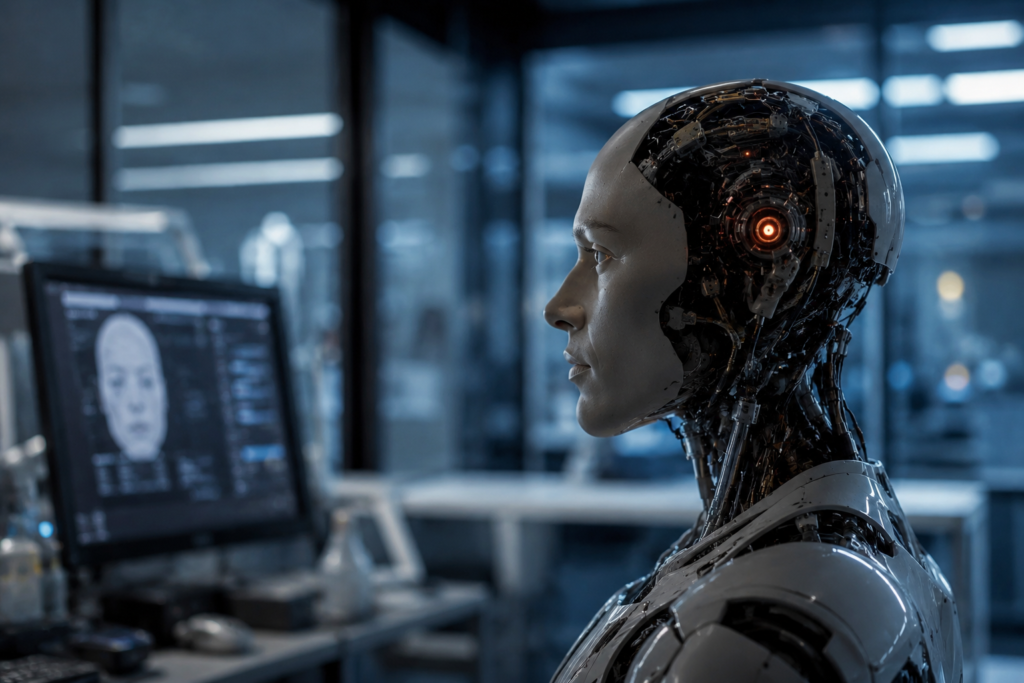
Still, the interest around this topic keeps growing because humans have always feared death. For thousands of years, people searched for ways to extend life. Ancient civilizations looked for magical solutions. Scientists later developed medicine and modern healthcare to increase lifespan. Now some tech leaders believe AI might become the next step in humanity’s attempt to overcome death itself.
Social media made the discussion even bigger. Videos and posts about “uploading consciousness” spread rapidly online because the concept sounds both exciting and terrifying. Some people see it as the future of humanity, while others think it could become a nightmare. The idea of humans slowly merging with machines is no longer just science fiction anymore. AI, brain-computer interfaces, and neural research are advancing faster every year.
Companies like Neuralink are already working on brain technology that connects humans and computers directly. While that is very different from immortality, it shows how serious the tech industry has become about understanding the human brain. Once machines can interact deeply with human thoughts, people naturally start wondering how far the technology could eventually go.
One of the biggest questions is whether digital immortality would even be a good thing. Living forever sounds amazing at first, but it could completely change human society. Would only rich people get access to it? Would digital humans have rights? Could memories be hacked or manipulated? These are questions nobody can fully answer yet.
Another strange part of this conversation is how quickly people became comfortable with AI acting human. A few years ago, talking naturally with AI felt impossible. Now millions of people casually chat with AI systems every day. Some users already form emotional connections with AI companions. That alone shows how much technology is changing human behavior.
Sam Altman himself often talks about how powerful AI could become in the future. He has warned that advanced AI may transform society in ways people cannot fully predict yet. Because of that, whenever topics like digital consciousness or AI immortality appear online, his name quickly becomes connected to them.
Whether AI-powered immortality ever becomes real or not, the fact that people are seriously discussing it says a lot about where technology is heading. Humanity is entering a time where the line between humans and machines is becoming blurrier every year. AI is no longer just a tool sitting inside computers. It is slowly becoming something people interact with almost like another form of intelligence.
For now, digital immortality remains mostly theoretical. There is no proof that human consciousness can actually be transferred into machines. But the speed of AI development means people are taking these ideas more seriously than ever before. What sounds impossible today may not sound impossible twenty years from now.
That is probably why this topic keeps going viral. Deep down, everyone wonders the same thing. If technology keeps evolving at this speed, what will humans become in the future?
Comments