
For a long time, people loved using Claude because it felt smart, calm, and useful. Developers used it to write code, students used it for learning, and businesses started adding it into their daily work. But there was one big problem that kept showing up again and again.
Claude was running out of power.
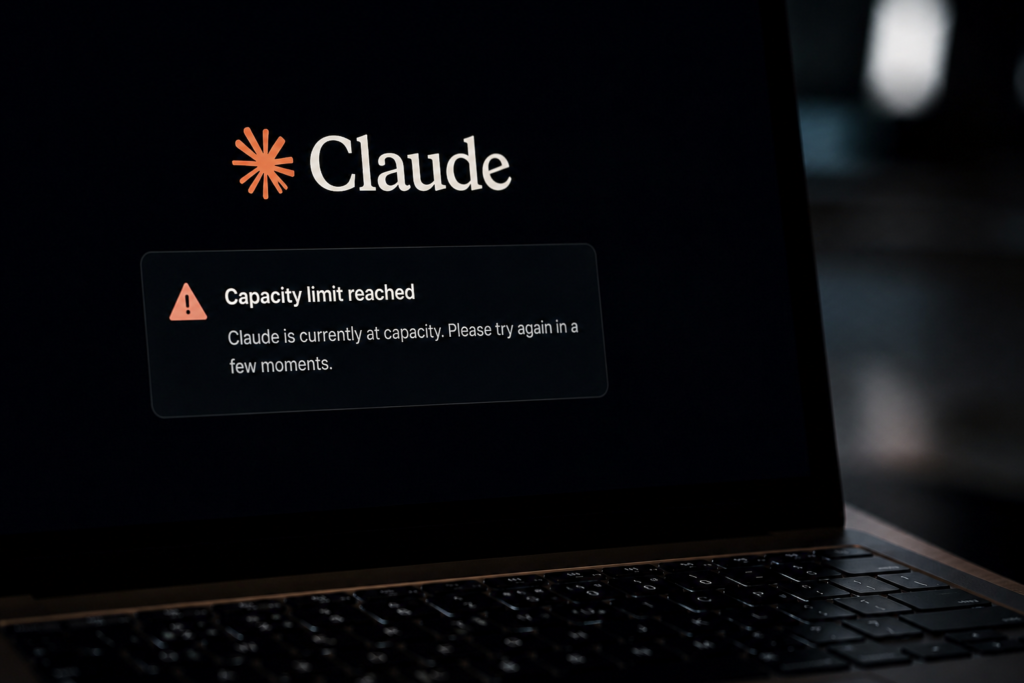
Not “power” in the normal sense. The real issue was computing power. Too many people were using Claude at the same time, and the systems behind it could not always keep up. Users paying high monthly fees were suddenly hitting limits very quickly. Some people complained that they could only use Claude Code heavily for a short time before seeing warnings or slow responses.
That became frustrating, especially for people depending on Claude for serious work.
Then something unexpected happened.
Anthropic, the company behind Claude, partnered with SpaceX.
At first, many people were confused. SpaceX is known for rockets, satellites, and space missions. Claude is an AI chatbot. On the surface, the two companies seem completely different. But behind the scenes, this partnership actually makes a lot of sense.
The real connection is infrastructure.
Modern AI needs huge amounts of computing power to work properly. Every time someone asks Claude a question, uploads files, or generates code, powerful servers are doing heavy work in the background. And when millions of people are doing this at once, the demand becomes massive.
This is where SpaceX entered the picture.
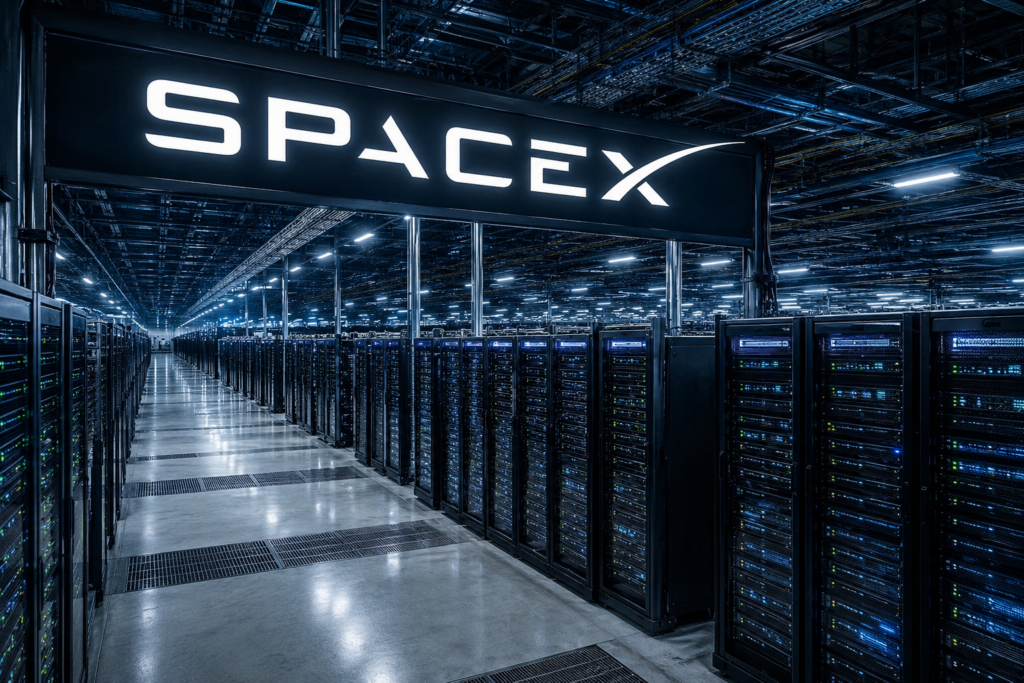
Elon Musk’s companies have been building enormous data centers filled with advanced hardware. These systems were originally connected to large AI projects and high-performance computing needs. According to reports online, Anthropic gained access to extra computing capacity connected to SpaceX infrastructure, including hundreds of megawatts of additional power.
That may sound technical, but the result for users is actually simple.
Claude became stronger.
People quickly started noticing changes. Limits for Claude Code increased. Slowdowns during busy hours became less common. Responses felt faster and smoother. Heavy users who previously hit walls very quickly suddenly had more room to work.
For developers, this mattered a lot.
Many programmers use Claude for long coding sessions. They ask it to debug projects, explain errors, write functions, and review files. These tasks use more resources than simple chat conversations. Before the upgrade, some users felt restricted because they could burn through their usage limits very fast.
After the changes, many users noticed they could work longer without interruptions.
This is important because AI tools are slowly becoming part of normal work life. They are no longer just fun experiments. Some people now depend on them daily for writing, research, coding, customer support, and planning. If the systems become slow or unstable, productivity drops immediately.
Anthropic likely understood that this issue could become dangerous in the long run.
Competition in AI is extremely intense right now. Users can switch platforms very quickly. If one service becomes unreliable, people simply move to another one. That means performance is no longer just a technical issue. It is a business issue too.
The partnership with SpaceX seems to be part of a larger goal: scaling Claude fast enough to handle future demand.
And demand is growing rapidly.
AI usage today is much bigger than it was even a year ago. More companies are integrating AI into apps and websites. Students use AI for studying. Content creators use it for ideas and editing. Developers use it as a coding assistant. Businesses use it to automate tasks.
Every one of these actions requires processing power.
A lot of people think AI is mainly about clever software, but hardware matters just as much. Without enough servers, electricity, cooling systems, and networking power, even the smartest AI model will struggle.
That is why this partnership became so interesting online.
It showed that the future AI race may not only be about who has the smartest model. It may also be about who has the strongest infrastructure behind the scenes.
In simple words, the companies with the biggest computing systems may gain a huge advantage.
SpaceX already operates massive technical infrastructure for its other projects. Combining that scale with Anthropic’s AI systems could help Claude grow much faster than before.
Another interesting part of this story is timing.
Users had already been talking online about Claude’s limits and slowdowns. Some people paying for expensive plans were disappointed because they expected smoother performance. So when news about the SpaceX partnership appeared, many saw it as Anthropic reacting quickly to user frustration.
That matters because users notice when companies listen.
Instead of ignoring complaints, Anthropic appears to have focused on solving the real bottleneck. Not by reducing users, but by expanding capacity.
That approach feels smarter for long-term growth.
There is also a bigger lesson here about modern AI companies.
Building a powerful chatbot is only half the challenge. The harder part is supporting millions of users every day without crashes, delays, or strict limits. As AI models become more advanced, they also become more expensive to run.
This means future AI leaders may need partnerships with companies that control energy, hardware, cloud systems, and infrastructure.
In many ways, this partnership shows how connected the tech world is becoming. A rocket company helping improve an AI assistant may sound strange at first, but in today’s world, technology industries are starting to overlap more and more.
And honestly, users probably do not care who provides the infrastructure behind Claude. They only care about one thing.
Does it work well?
If Claude becomes faster, more stable, and more reliable, then most users will see the partnership as a success.
Of course, the AI industry changes quickly, and competition will continue growing. OpenAI, Google, Anthropic, and many others are all pushing hard to improve their systems. New updates arrive constantly. Limits change. Features improve. Prices shift.
But one thing is becoming very clear.
Infrastructure is now one of the most important parts of AI.
Without enough computing power, even great AI systems can struggle under pressure. And with millions of users entering the AI world every month, companies need stronger foundations than ever before.
That is why the SpaceX partnership matters.
It was not just about adding more servers. It was about removing one of Claude’s biggest weaknesses before it became a larger problem.
And for many users, the difference was noticeable almost immediately.
Comments