
Netflix has never been shy about spending big on content. Over the years, the streaming giant has poured billions into original movies, TV shows, documentaries, and live events. This time, however, the company made headlines for something completely different.
Netflix acquired InterPositive, an AI startup co-founded by actor and filmmaker Ben Affleck, in a deal worth $587 million. The acquisition surprised many people, not because AI is new to Hollywood, but because of what the startup actually does.
Unlike many AI companies making headlines for generating videos or replacing artists, InterPositive focuses on helping filmmakers finish movies faster and more efficiently. Its tools are built for production teams, editors, and visual effects artists, not for creating entire films with a single prompt.
So why did Netflix spend more than half a billion dollars on the company? And what does Ben Affleck have to do with an AI startup in the first place?
Let’s break it down.
Who Is Ben Affleck?
For most people, Ben Affleck is one of Hollywood’s biggest names. He has spent more than three decades in the film industry as an actor, writer, director, and producer.
Affleck’s career began at a young age, but he became a global star after co-writing and starring in Good Will Hunting alongside his childhood friend Matt Damon. The film earned them an Academy Award for Best Original Screenplay and changed both of their careers forever.
Since then, Affleck has appeared in major films such as Armageddon, Gone Girl, The Accountant, Argo, and Batman v Superman. He also directed several successful movies, including Gone Baby Gone, The Town, and Argo, with the latter winning the Oscar for Best Picture.
But over the past few years, Affleck has become more interested in what happens behind the camera.
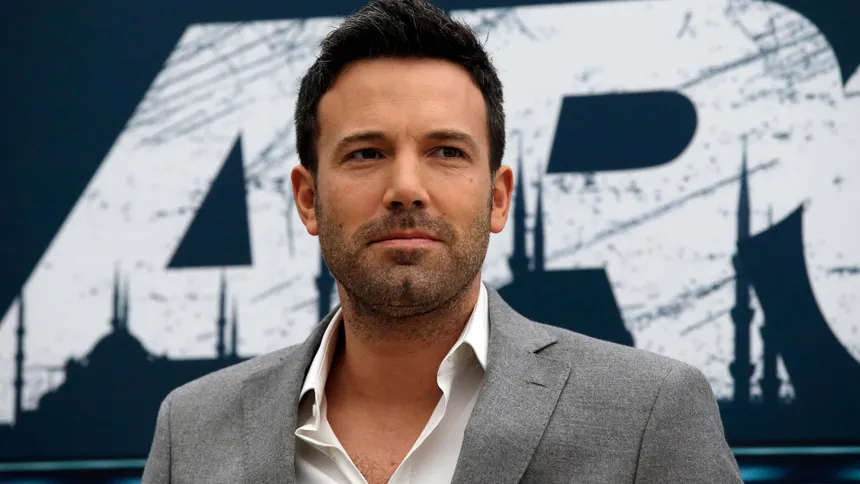
In 2022, he and Matt Damon launched Artists Equity, a production company designed to give filmmakers and actors a larger share of a movie’s profits. The goal was simple: build a system where creative people benefit more directly from the success of their work.
That same interest in improving filmmaking eventually led to InterPositive.
Instead of asking how AI could replace filmmakers, Affleck and his team asked a different question.
How can AI remove the boring, repetitive work that slows production down?
That question became the foundation of the company.
What Is InterPositive?
InterPositive is not an AI movie generator.
That’s probably the biggest misunderstanding surrounding the company.
The startup develops AI tools that assist filmmakers during post-production, which is the stage where raw footage is edited into the final movie audiences see.
Making a modern film is far more complicated than simply recording scenes with a camera.
Editors sort through hundreds of hours of footage.
Visual effects teams clean up mistakes.
Artists remove unwanted objects.
Lighting may need adjustments.
Backgrounds sometimes have to be replaced.
Actors occasionally need small corrections if a shot cannot be filmed again.
These tasks can take weeks or even months.
InterPositive built AI systems that help complete many of these jobs much faster.
For example, its software can intelligently relight scenes, extend backgrounds, remove production equipment from shots, repair damaged footage, and help recreate missing visual elements without requiring expensive reshoots.
The important detail is that these tools still require human supervision.
Editors and artists remain in control.
The AI simply handles repetitive work that would otherwise consume valuable time.
That approach is one reason many filmmakers viewed the company differently from other AI startups.
Rather than replacing creative professionals, it was designed to support them.
Why Netflix Was Interested
Netflix releases hundreds of original projects every year.
Movies.
TV shows.
Documentaries.
Reality programs.
Animated films.
Content in dozens of different languages.
Managing such a massive production pipeline is incredibly expensive.
Even small improvements can save millions of dollars.
Imagine a scene where a boom microphone accidentally appears in the frame.
Traditionally, a visual effects artist would manually remove it.
Now imagine thousands of similar fixes across hundreds of productions every year.
AI can handle many of those corrections in minutes instead of hours.
The same applies to background cleanup, color matching, lighting adjustments, and certain visual effects tasks.
These are not glamorous jobs, but they are necessary.
Netflix believes AI can reduce production time while allowing creative teams to focus on storytelling instead of repetitive technical work.
The company has already experimented with machine learning in areas like content recommendations, subtitle generation, video encoding, and streaming optimization.
InterPositive expands that strategy into filmmaking itself.
Instead of buying an AI chatbot, Netflix purchased technology that directly fits its production workflow.
Why Was the Deal Worth $587 Million?
At first glance, $587 million sounds like an enormous price tag for a startup.
But acquisitions are rarely based only on current revenue.
Large companies often pay for future potential.
In InterPositive’s case, Netflix wasn’t just buying software.
It was buying an experienced engineering team, years of research, proprietary technology, and AI models built specifically for professional filmmaking.
Developing these tools internally could have taken years.
Buying the company allows Netflix to move much faster.
There is also another factor.
Competition.
Nearly every major entertainment company is investing in AI.
Studios know that production costs continue to rise.
Streaming platforms are competing for subscribers while also trying to reduce expenses.
If AI can make film production even 10 or 20 percent more efficient, the long-term savings could easily justify a purchase like this.
For Netflix, the acquisition is as much about the next decade as it is about today’s technology.
Will AI Replace Filmmakers?
Whenever AI enters a creative industry, the same question appears.
Will people lose their jobs?
The answer is more complicated than a simple yes or no.
InterPositive was never designed to write award-winning scripts or direct blockbuster movies.
Its software focuses on technical production work.
Human creativity is still needed to write stories, direct actors, design characters, compose music, and make artistic decisions.
Those parts of filmmaking remain deeply human.
What AI can do is remove repetitive work that often slows projects down.
Think about photo editing software.
Modern tools can automatically remove unwanted objects from an image.
Photographers still decide what the final picture should look like.
The software simply makes their job faster.
InterPositive follows the same philosophy.
AI becomes another tool inside the editing room, not the person making creative decisions.
That distinction matters.
Many people inside Hollywood remain cautious about AI, especially after recent debates around copyright and creative rights.
Companies that position AI as a helper rather than a replacement are generally receiving a warmer response.
What This Means for Hollywood
Netflix’s acquisition could influence the entire entertainment industry.
When the world’s largest streaming platform invests hundreds of millions into production AI, other studios are likely paying close attention.
If the technology delivers faster production schedules without reducing quality, competitors may start building or buying similar tools.
That could change how movies and TV shows are made over the next several years.
Independent filmmakers may also benefit.
Technology developed for large studios often becomes more affordable over time.
Editing software, color grading tools, and visual effects programs that were once available only to major studios are now used by creators on laptops around the world.
AI production tools could follow a similar path.
At the same time, Hollywood will continue debating where AI should and shouldn’t be used.
Those conversations are unlikely to disappear anytime soon.
Final Thoughts
Netflix’s $587 million acquisition of InterPositive is about much more than artificial intelligence.
It reflects a larger shift in how entertainment companies think about filmmaking.
Instead of using AI to replace creative people, Netflix appears to be investing in technology that helps production teams work faster and more efficiently.
Ben Affleck’s involvement also makes the story interesting.
As someone who has spent decades acting, directing, writing, and producing films, he understands how much time and money are spent on technical work that audiences never notice.
InterPositive was built around solving those problems, and Netflix clearly believes that vision is worth a significant investment.
Whether this deal becomes a turning point for Hollywood will depend on how the technology performs in real productions.
One thing is certain, though.
AI is no longer just helping people discover what to watch next.
It’s becoming part of how those stories are made in the first place.
Comments