
Anthropic Warns AI Agents Could Hack Smart Home Devices Soon

Article Summary
Artificial intelligence is becoming a part of everyday life. From smart TVs and security cameras to robotic vacuum cleaners, many household devices can now connect to the internet and perform tasks automatically. However, as these devices become smarter, they may also create new security risks. Anthropic, the company behind the…
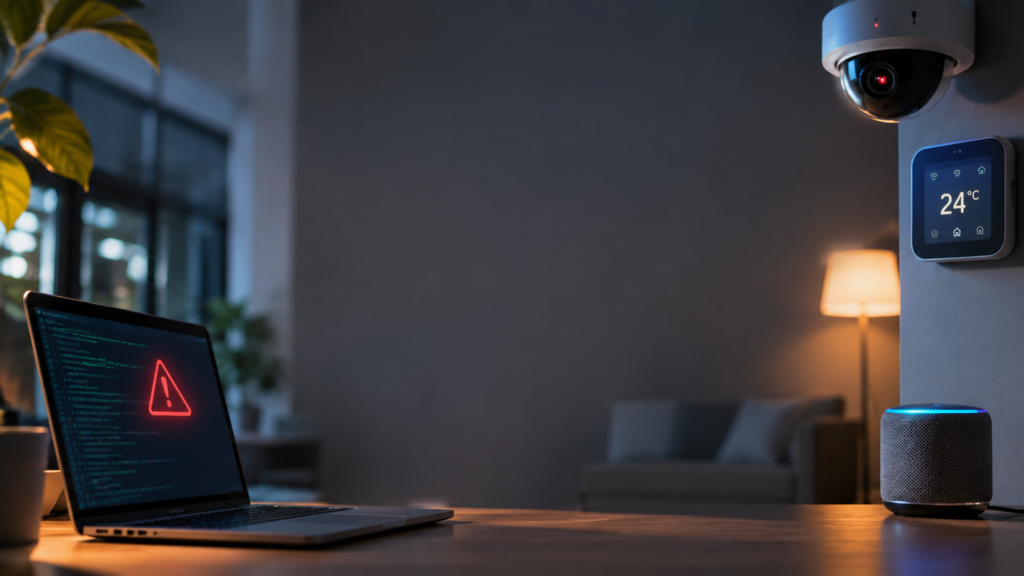
Artificial intelligence is becoming a part of everyday life. From smart TVs and security cameras to robotic vacuum cleaners, many household devices can now connect to the internet and perform tasks automatically. However, as these devices become smarter, they may also create new security risks.
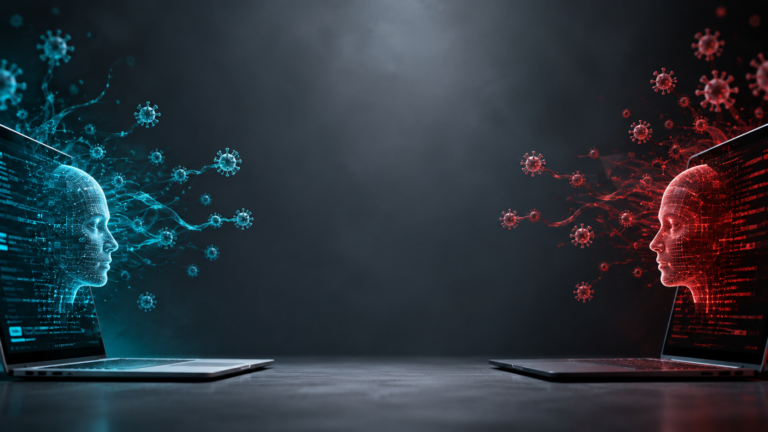
Anthropic, the company behind the Claude AI assistant, has warned that small AI models could soon become capable of copying themselves across internet-connected devices. This could allow harmful AI agents to spread through smart home networks without needing constant instructions from a human attacker.
The warning has raised concerns among cybersecurity researchers about a possible new type of digital threat. If such systems become practical, they could make it harder to detect, control and stop certain cyberattacks.
What Has Anthropic Warned About?
In a report published in October 2026, Anthropic’s researchers discussed the possibility of self-replicating AI systems. These systems could potentially find vulnerable devices, enter them, copy their software and continue spreading to other connected machines.
The researchers warned that small AI models may be only months away from gaining the capabilities needed to carry out this type of activity on some internet-connected devices. However, this is a warning about a developing risk, not confirmation that uncontrolled AI agents are already spreading through homes on a large scale. Source: The Guardian
The concern is that AI could make existing cyber threats more flexible. Traditional malware usually follows instructions written by its developers. An AI-powered system, on the other hand, could potentially adjust its actions based on the device or network it encounters.
This does not mean that AI has developed its own intentions or desires. The risk comes from software that can carry out complex tasks automatically, particularly when it has access to vulnerable systems and insufficient security controls.
How Could AI Spread Across Smart Home Devices?
Most people think of cyberattacks as something that targets computers, websites or mobile phones. However, smart home devices are also small computers connected to networks.
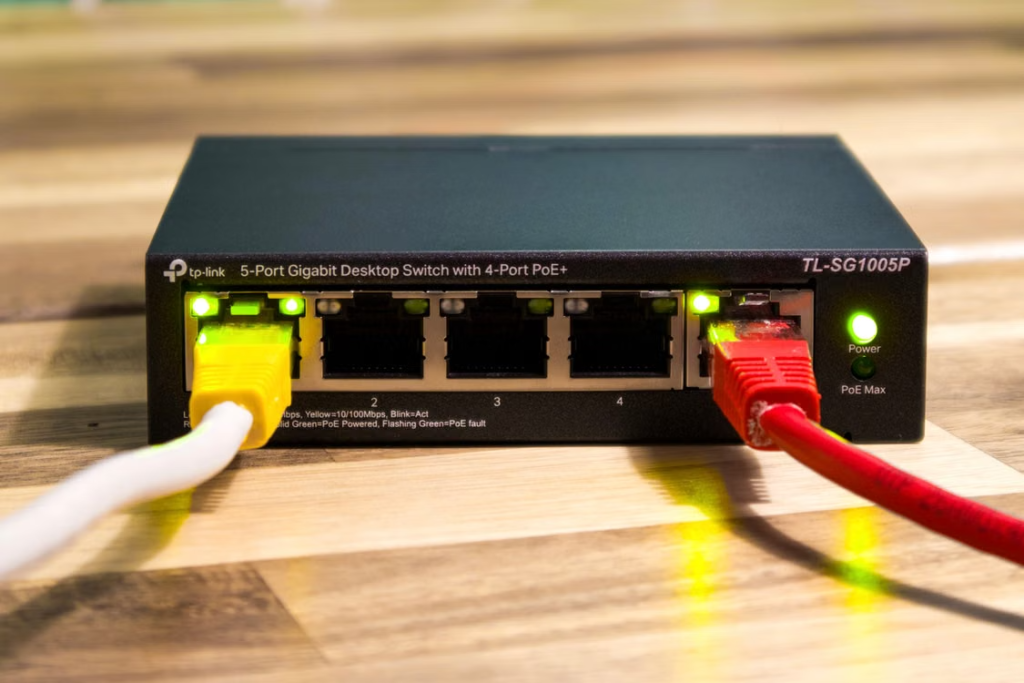
A smart television, internet-connected camera or robotic vacuum cleaner may have software, memory, processing power and a connection to the internet. If its software contains a security weakness, an attacker may be able to take control of it.
A self-replicating AI system could potentially use a compromised device to look for other vulnerable devices. If it successfully gained access to another machine, it might copy the necessary software and continue the process.
For example, imagine a home with a smart TV, a security camera and several other connected devices. If one device had a serious security weakness, it could become an entry point into the network. If the same weakness existed elsewhere, the threat could potentially spread.
This is a simplified example of how such an attack might work. The actual process would depend on the devices, their security settings and the capabilities of the malicious software.
Anthropic’s research highlights the possibility that small AI models could eventually operate across inexpensive internet-connected hardware rather than relying entirely on powerful central servers. Source: ABC News
Why Are Smart Devices a Major Concern?
One of the biggest problems is that many smart devices receive less attention than computers and smartphones.
People regularly install security updates on their phones and laptops, but they may forget to update their routers, cameras or streaming devices. Some products also receive limited software support from their manufacturers.
Weak passwords and outdated software can make these devices easier targets for cybercriminals. In some cases, users may not even know whether a device is still receiving security updates.
Another challenge is that smart home products often remain connected to the internet throughout the day. A device that is rarely used may still be running in the background and communicating with other systems.
If attackers gain control of several devices, they may be able to use them together for harmful activities. These could include sending large amounts of unwanted network traffic, attempting further intrusions or using the devices’ computing resources without permission.
AI could make these attacks more adaptable by helping malicious software respond to different situations. However, AI does not automatically make every compromised device dangerous, and existing security weaknesses remain an important part of the problem.
What Makes AI-Powered Malware Different?
Traditional computer worms can spread from one system to another without requiring users to open every infected file manually. This type of malware has existed for decades.
AI-powered malware could introduce another level of automation. Instead of relying only on a fixed set of instructions, an AI agent might be able to analyse its environment, select possible actions and adjust its approach when an attempt fails.
This could make some attacks harder to predict and defend against. It could also reduce the amount of direct work required from a human attacker.
Another concern is decentralisation. If malicious software can operate across many separate devices, shutting down one server may not be enough to stop the entire network. Security teams might need to identify and clean multiple compromised systems.
Still, important technical challenges remain. Devices have limited processing power, different hardware designs and different security protections. An AI model that runs on one machine may not work on another. Researchers must also overcome the practical difficulties of copying software, gaining access and remaining active without detection.
These limitations matter because the ability to demonstrate individual parts of an attack does not necessarily prove that a fully autonomous system can spread reliably across large numbers of devices.
How Can Users Protect Their Smart Homes?
Although the warning describes a potential future threat, users do not need to wait for new technology to improve their security. Basic precautions can already prevent many common attacks.
Keep device software updated. Install firmware and security updates for routers, televisions, cameras and other connected products. If a manufacturer no longer supports a device, consider replacing it when practical.
Use strong, unique passwords. Avoid keeping default passwords on routers and smart home products. Use different passwords for different accounts so that one compromised password does not expose several devices.
Secure your home Wi-Fi. Use modern Wi-Fi security settings, change the router’s default administrator password and disable features such as remote administration when they are not needed.
Disconnect devices you no longer use. An old streaming box or unused smart camera does not need to remain connected simply because it is still plugged in.
Separate smart devices from personal computers. If your router supports a guest network or a separate network for internet-connected devices, consider using it. This can help limit communication between smart home products and computers containing sensitive files.
Buy products from manufacturers that provide updates. Security should be part of the buying decision, not an afterthought. Check whether the manufacturer offers regular updates and clearly states how long the product will be supported.
These measures cannot eliminate every risk, but they can reduce the chances of an attacker gaining access to a home network.
What Does This Mean for the Future of AI?
Anthropic’s warning points to a wider challenge facing the technology industry. AI systems are becoming increasingly capable of performing tasks with limited human supervision. That can make them useful for research, software development and everyday automation, but the same capabilities may also be misused.
Technology companies will need to consider how their models behave when connected to real devices and networks. Strong access controls, careful testing, monitoring and limits on autonomous actions will become increasingly important.
Device manufacturers also have a role to play. Products should be designed with security in mind, receive timely updates and avoid unnecessary access to other devices. Governments and cybersecurity organisations may need to develop clearer standards as AI-driven threats evolve.
At the same time, it is important to separate realistic security concerns from speculation. Anthropic’s warning describes a possible development that deserves attention, but it does not establish that every smart home is about to be compromised.
Conclusion
Smart home technology has made everyday life more convenient, but it has also expanded the number of devices that need protection. Anthropic’s warning suggests that self-replicating AI systems could eventually make certain cyberattacks more automated and difficult to contain.
The main concern is not simply that AI is becoming more powerful. It is that increasingly capable software may be able to operate across devices that were never designed to handle such threats.
For users, the best response is to maintain strong security practices and keep connected devices updated. For technology companies, the challenge is to build AI systems that remain useful without giving them unnecessary freedom to act.
AI-powered cyber threats are still developing, and their future impact remains uncertain. But improving device security today can help reduce the risks tomorrow.
Share article:
Read Similar News





Featured Tools
Fliki AI: Over ...

Ravin AI: TIME'...

Descript AI Vid...

PromptLibrary.o...

Wishpond – AI-P...

OnlyComs – AI-P...

VWO AI – AI-Pow...

Gizmo AI – AI S...
