
Artificial intelligence has made many things easier. It can help people write, create images, edit videos, and even generate voices in just a few seconds. While these tools have opened the door to many new ideas, they have also created a serious problem. One of the biggest concerns today is the rise of AI deepfakes.
Deepfakes are fake photos, videos, or audio clips that look and sound very real. They can make it appear as if someone said or did something that never actually happened. In recent years, these fake creations have spread quickly across social media, causing confusion, damaging reputations, and making it harder for people to trust what they see online.
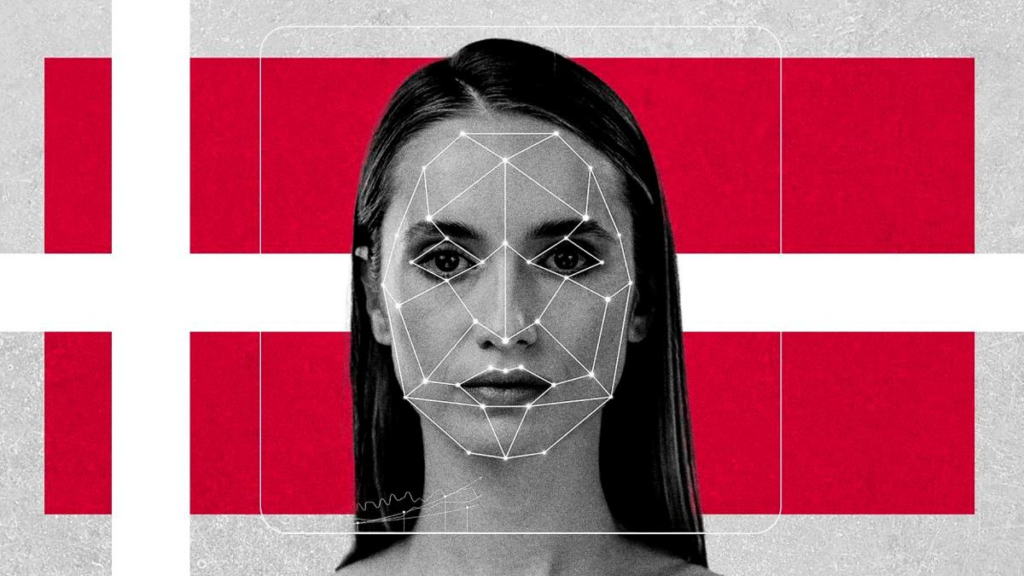
To deal with this growing issue, Denmark has taken a major step. The country is becoming the first in Europe to introduce legal protections that give people more control over how their face, voice, and identity are used. The move is being seen as an important step in protecting people in the digital age.
Why Deepfakes Have Become a Serious Problem
Not long ago, making a realistic fake video required expensive software and special skills. Today, that has changed completely. Many AI tools can now create convincing videos, voice recordings, and images within minutes. Some of these tools are available to anyone with an internet connection.
This has made deepfakes much more common.
Some people use them for entertainment or creative projects. However, others use them to spread false information, trick people, or target someone personally. Fake videos of public figures can spread quickly online before anyone has a chance to prove they are fake. Ordinary people can also become victims if someone creates fake content using their photos or voice.
In many cases, victims have little control over what happens after the content is shared. Even if the fake is removed later, the damage may already be done.
Denmark’s New Approach
Denmark wants to change that.
The government plans to update its copyright laws so that people have stronger rights over their own appearance and voice. Instead of only protecting music, books, or movies, the updated rules would also recognize that a person’s identity deserves protection.
If someone creates or shares an AI-generated copy of another person’s face or voice without permission, the affected person would have legal options to ask for its removal.
The proposal also aims to make it easier for victims to act against harmful deepfakes instead of leaving them to deal with the problem on their own.If someone creates a fake video, image, or voice using another person’s identity without permission, the victim can ask for the content to be removed. They can also take legal action against the people who made or shared the fake content. For example, if someone uses AI to create a fake video that makes a teacher, student, or public figure appear to say something they never said, that person can ask for the video to be taken down and take legal steps against those responsible. The main goal is to give people better protection and make sure they are not left alone when their identity is misused.
This does not mean every AI-generated image or video will become illegal. The focus is on preventing misuse while still allowing creativity, education, and satire where appropriate.
Giving People More Control
One of the biggest ideas behind the new law is simple.
Your face belongs to you.
Your voice belongs to you.
If technology can copy these things almost perfectly, people should have the right to decide how they are used.
This idea has become more important as AI tools continue to improve. Modern systems can recreate voices after hearing only a short recording. They can generate videos where people appear to speak naturally, even if they never recorded those words.
For many people, this raises concerns about privacy and personal safety.
Denmark believes stronger legal protection can help reduce these risks.
A Growing Global Issue
Denmark is not the only country thinking about AI deepfakes.
Around the world, governments are trying to understand how existing laws should work in the age of AI. Some countries have introduced rules focused on election content, while others are looking at privacy, copyright, and online safety.
Technology is moving much faster than the law. Every year, AI systems become more powerful and easier to use. As a result, lawmakers are under pressure to create rules that protect people without slowing down useful innovation.
Denmark’s proposal may become an example that other European countries watch closely.
If the law works well, it could encourage similar protections across Europe.
What This Means for AI Companies
Companies developing AI tools are also paying attention.
Many technology companies have already started adding safety features to reduce misuse. Some include watermarks, labels, or detection systems that help identify AI-generated content. Others have policies that limit how their models can recreate real people.
Still, experts agree that technology alone cannot solve the problem.
Even with better safety tools, some harmful content will continue to appear. That is why many believe legal protection is also necessary.
A combination of responsible AI development, public awareness, and clear laws may offer the best long-term solution.

The Challenge of Finding Balance
Creating rules for AI is not easy.
Governments must protect people without limiting freedom of expression or creative work. Artists, filmmakers, educators, and content creators often use AI in positive ways.
For example, AI can help restore old recordings, create special effects for movies, or produce educational content. These uses are very different from creating fake videos that harm someone’s reputation.
Because of this, lawmakers need to make sure the rules are clear enough to stop abuse while allowing legitimate uses of the technology.
Finding that balance is one of the biggest challenges facing governments today.
Why This Matters to Everyone
It is easy to think deepfakes only affect celebrities or politicians.
In reality, anyone can become a target.
A simple photo shared on social media can sometimes be enough for AI tools to create fake images or videos. Voice recordings from public videos can also be copied.
As these tools become more accessible, digital identity becomes something worth protecting.
People want confidence that their image and voice cannot be used without permission. Businesses also want to know that fake content will not damage their reputation or mislead customers.
Building trust online is becoming just as important as developing new technology.
Looking Ahead
Denmark’s decision reflects a larger shift in how governments view artificial intelligence.
Instead of waiting for problems to grow, countries are beginning to create rules that address new risks before they become even more widespread.
The proposed law is still part of a broader legal process, but it has already attracted attention across Europe and beyond. Many experts believe it could influence future discussions about AI rights, privacy, and digital identity.
As AI continues to improve, conversations about responsibility will only become more important.
Final Thoughts
Artificial intelligence is changing the world at an incredible speed. It offers exciting opportunities in education, healthcare, business, entertainment, and many other fields. At the same time, it also creates challenges that society cannot ignore.
Deepfakes are one of those challenges.
They can spread false information, damage reputations, and make it difficult to know what is real online. Protecting people from these risks has become a priority for many governments.
By introducing legal protections for people’s face, voice, and identity, Denmark is taking an important first step in Europe. The country is sending a clear message that technology should respect individual rights, not weaken them.
Whether other countries follow Denmark’s example remains to be seen. However, one thing is clear. As AI becomes a bigger part of everyday life, protecting trust, privacy, and personal identity will become just as important as encouraging innovation itself.
Comments